

The Risk of “Free” Scans: Why to Choose John Jones Service Over an Auto Parts Store
We’ve all been there. You’re driving along, minding your own business, when that dreaded amber “Check Engine” light pops up on your dashboard. Your first instinct might be to pull into the nearest auto parts store for a quick, free code reading. It sounds like an easy fix, right?
While a complimentary code scan can tell you what code your vehicle’s computer is throwing, it absolutely cannot tell you why it’s throwing it. There is a massive, often expensive difference between a basic parts store printout and a true, factory-certified diagnostic layout.
Before you start buying random sensors based on a generic guess, our master service technicians at John Jones Auto Group broke down exactly why bringing your car, truck, or SUV to a dedicated GM or CDJR service center saves you time, money, and headaches.
The Breakdown: Code Readers vs. Advanced Factory Diagnostics
To help clear up the confusion, here is a straight-to-the-point comparison of what you actually get at a parts counter versus what happens in a certified service bay:
| The Diagnostic Process | Auto Parts Store Code Scan | John Jones Certified Service Center |
|---|---|---|
| Equipment & Tools Used | Basic, generic OBD-II handheld scanners. | Proprietary factory scan tools (GM MDI/GDS2, CDJR wiTECH) running up-to-the-minute software. |
| Who Handles Your Vehicle | A retail parts counter associate. | ASE-Certified and Factory-Trained Master Technicians. |
| Depth of the Scan | Reads surface-level emissions codes only. | Deep dives into all proprietary modules (Engine, Transmission, ABS, Airbags, Body Control). |
| The Final Result | A piece of paper showing a generic fault code and a list of parts to buy. | A definitive pinpointing of the root issue, verified by physical component testing. |
The Real Risks of Relying on a Parts Store “Diagnosis”
Every single week, vehicles get towed into our service centers after owners spent hundreds of dollars replacing perfectly good parts based on a parts store printout. Here is why that happens.
1. A code is a symptom, not the actual cure
Think of your vehicle’s computer system like human health. If you have a cough, that is a symptom—it doesn’t automatically mean you have pneumonia. It could be allergies, a cold, or dust.
An auto parts store scanner reads symptoms. For example, if a scanner pulls a P0420 (Catalytic Converter Efficiency) code, a retail parts counter might immediately try to sell you an expensive new catalytic converter. However, a certified technician diving into live powertrain data might find that a simple frayed wire, a vacuum leak, or a faulty oxygen sensor is causing the engine to run rich, triggering the code. Replacing the converter wouldn’t fix the problem.
2. Proprietary factory tools see the whole picture
Generic scanners can only look at basic global OBD-II codes. They cannot communicate with the complex, individual computers built directly into modern Chevrolet, GMC, Jeep, Ram, Dodge, or Chrysler vehicles.
Our factory-specific tools allow us to read live data feeds, look back at “freeze frame” data from the exact millisecond the fault occurred, and test individual modules. We can see if your transmission control module is dropping voltage or if an ABS wheel speed sensor is sending an erratic signal—things a basic retail scanner completely misses.
Skip the Guesswork: Don’t play the guessing game with your vehicle’s reliability. Avoid throwing good money after bad parts by visiting our centralized Service Department Portal to find the closest location and schedule a proper inspection today.
3. Access to Factory Technical Service Bulletins (TSBs)
Often, a check engine light or a strange driving behavior is linked to a known issue that the manufacturer has already solved with a software update. Parts stores have no access to these internal systems.
When you bring your vehicle to John Jones Auto Group, we instantly check your specific VIN against the global GM and CDJR networks. If your issue can be fixed by simply reflashing your vehicle’s software or applying a specialized factory repair bulletin, we can identify it immediately. A parts store will simply keep selling you physical parts that will never solve a software bug.
4. Real warranties on parts and labor
If you buy a sensor from a retail parts store and install it yourself (or pay a neighborhood mechanic to do it) and the light stays on, you cannot return that electrical part for a refund. You are stuck with that cost.
When we diagnose and repair a vehicle, we back our work completely. We use genuine OEM factory parts engineered specifically for your vehicle, and our repairs come backed by comprehensive parts and labor warranties. You leave with absolute peace of mind.
Our Factory Service Footprint Across Southern Indiana
You don’t have to drive far to get real, authoritative technical support. At John Jones Auto Group, we operate specialized mechanical and body repair facilities positioned strategically throughout our region to match your exact vehicle make:
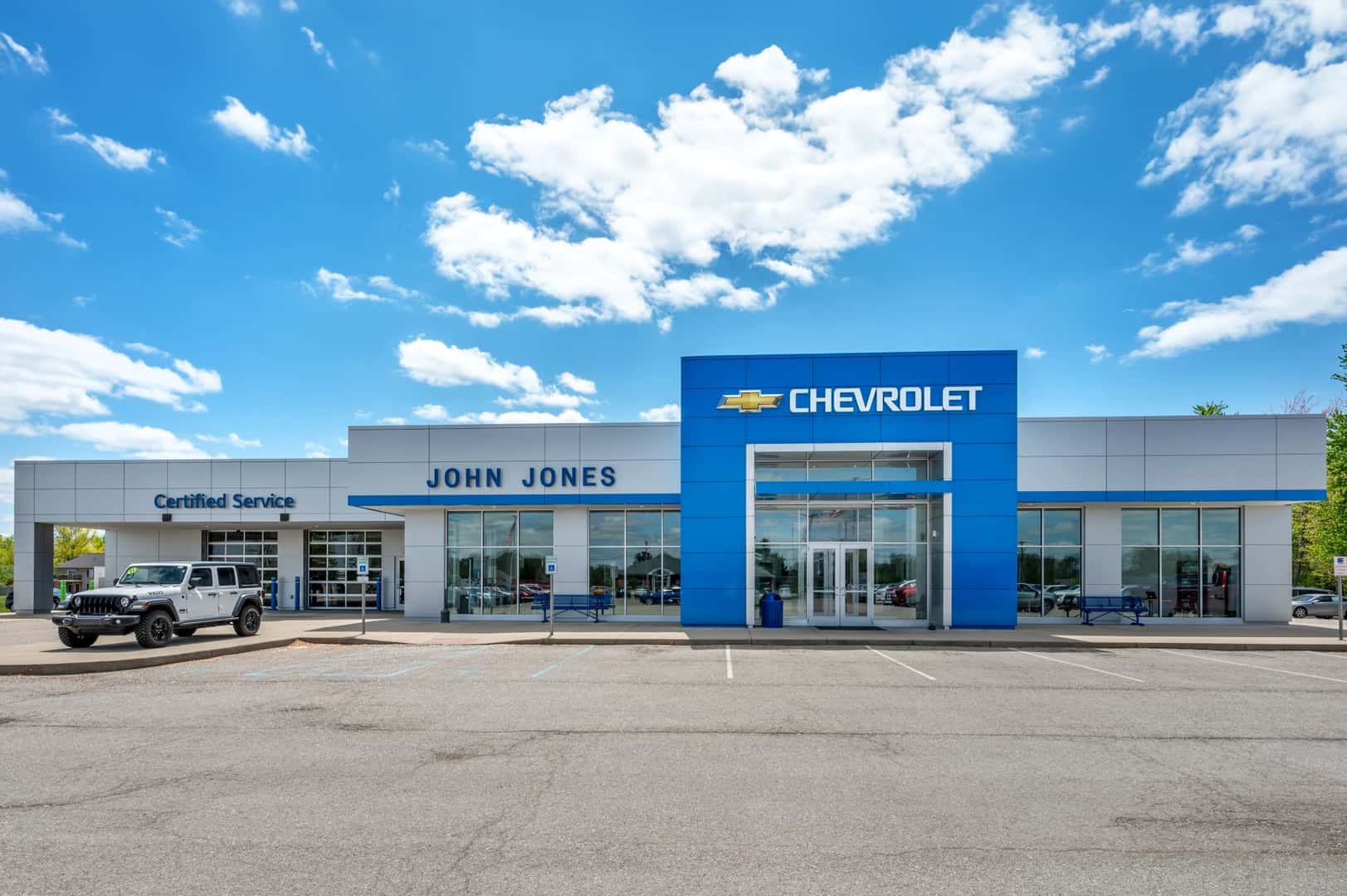
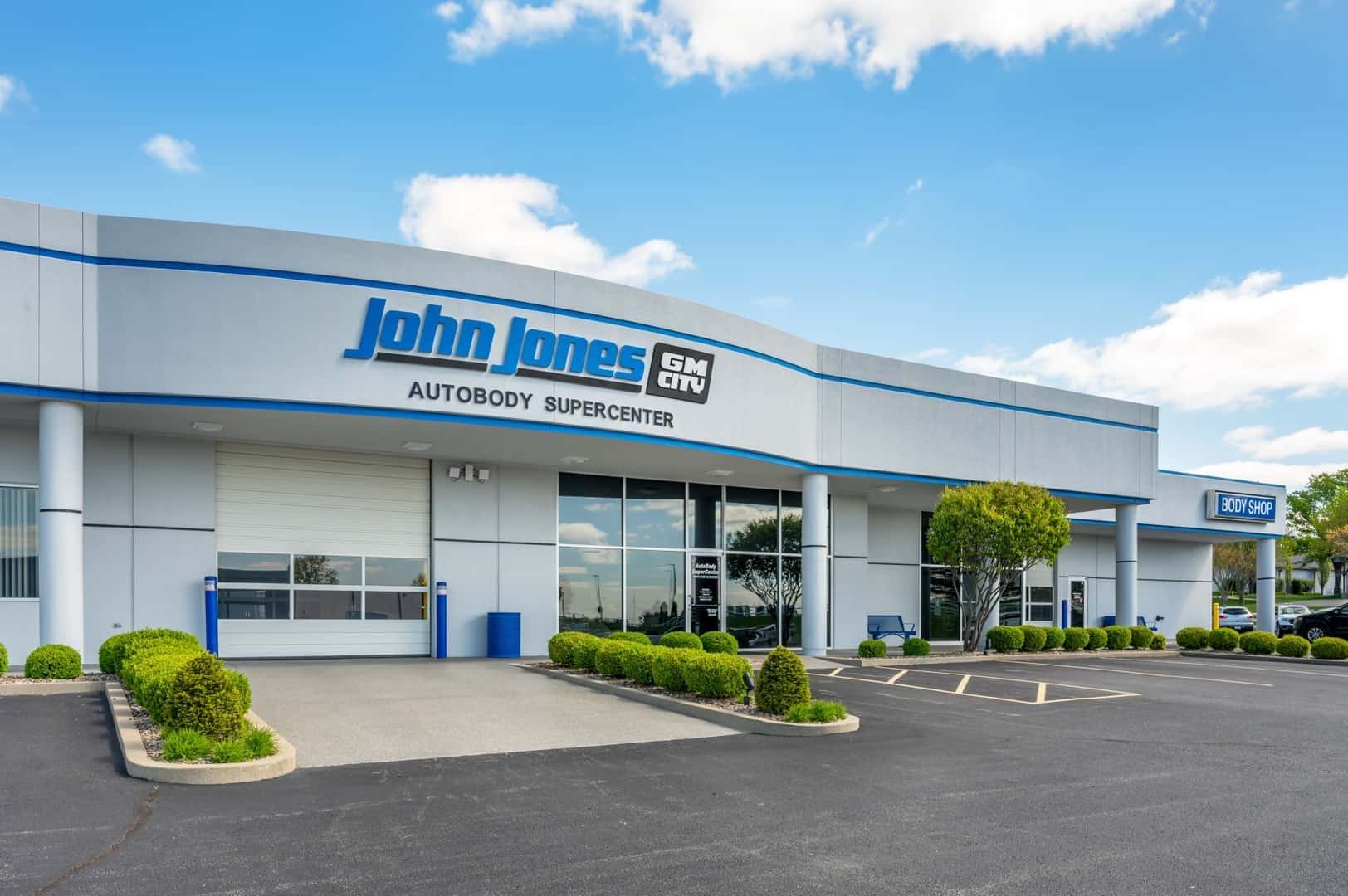
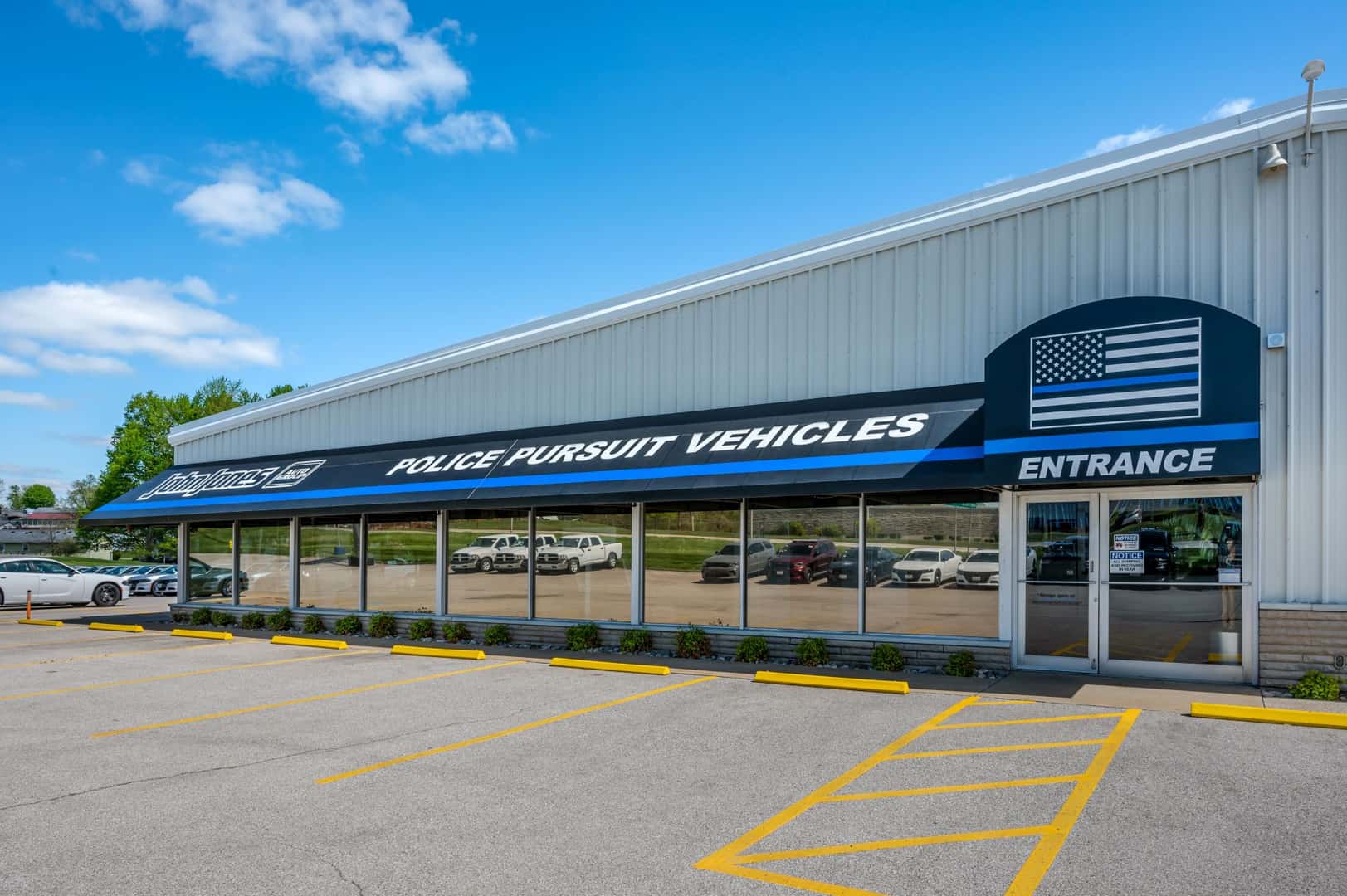
- Salem, IN: Home to our John Jones Chevrolet Cadillac Service Center, alongside the specialized technical capabilities at the John Jones Collision Center and our dedicated Police Pursuit Vehicles facility.
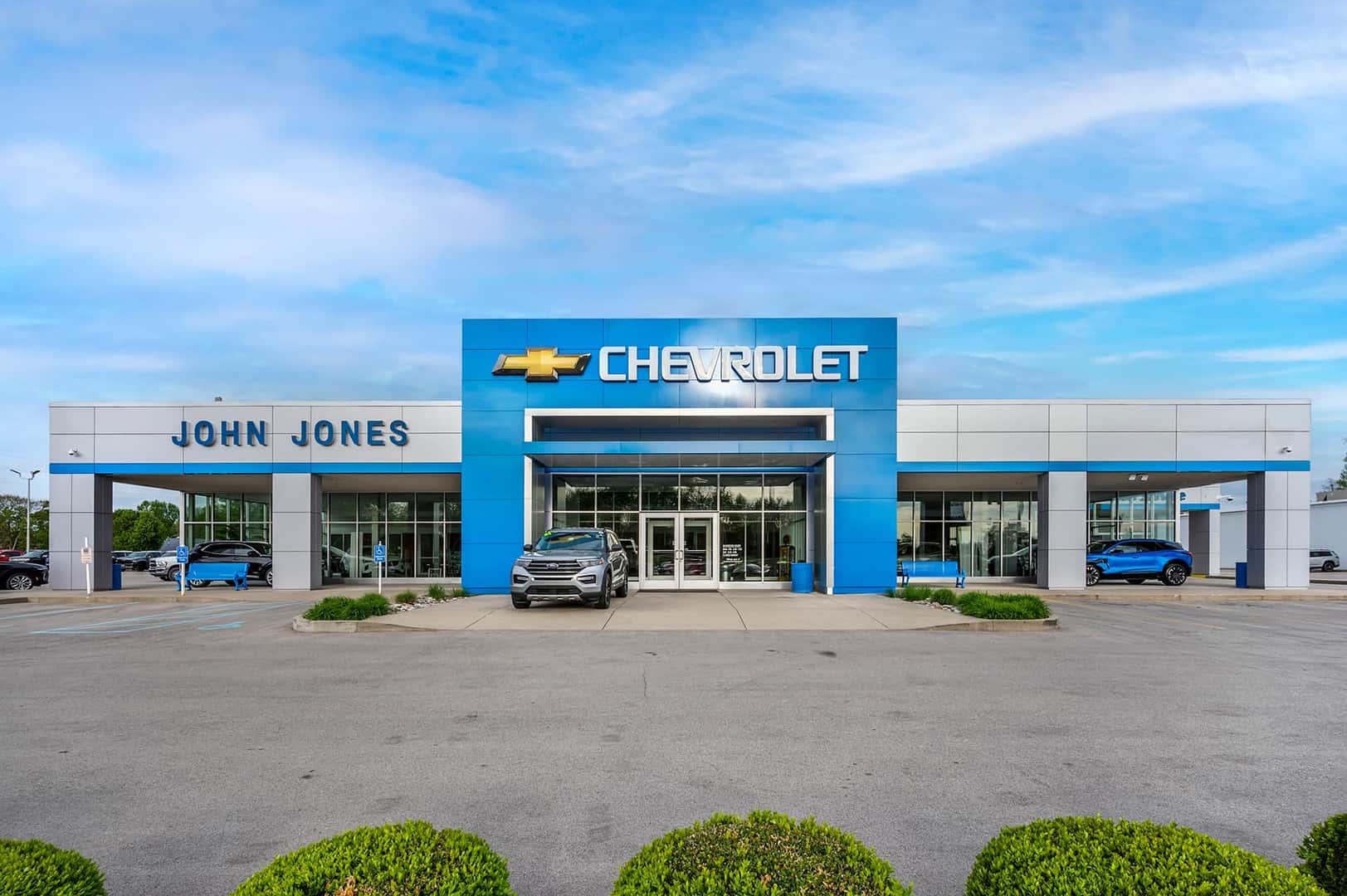
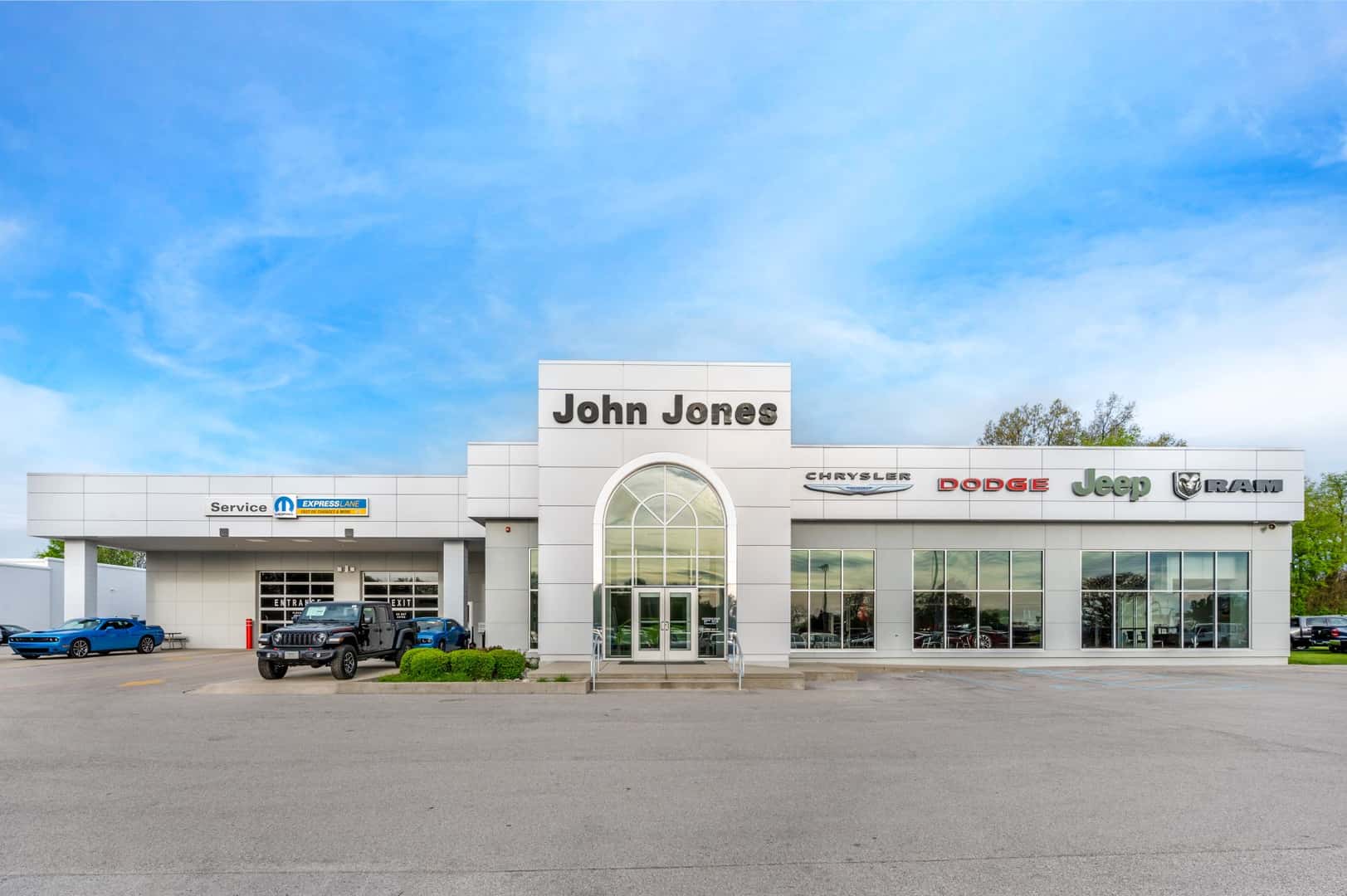
- Corydon, IN: Offering complete mechanical coverage on Gardner Lane with both our John Jones Chevrolet Service Center and our multi-brand John Jones Chrysler Dodge Jeep Ram Fiat Service Center.
- Scottsburg, IN: Providing full GM factory support and specialized light-truck diagnostics at the John Jones Chevrolet Service Center.
Whether you are handling your daily commute around Corydon, navigating the highway corridors across Southern Indiana, or running back and forth into Louisville, your vehicle is too important to risk on a surface-level guess. Skip the retail parts line and let our factory-trained master technicians look after your vehicle the right way.
Get an Honest Answer: Let our team pinpoint the root cause of your warning light. Click here to select your closest location and book your appointment through the official John Jones Auto Group Service Portal to drive with absolute confidence again.



0 comment(s) so far on The Risk of “Free” Scans: Why to Choose John Jones Service Over an Auto Parts Store